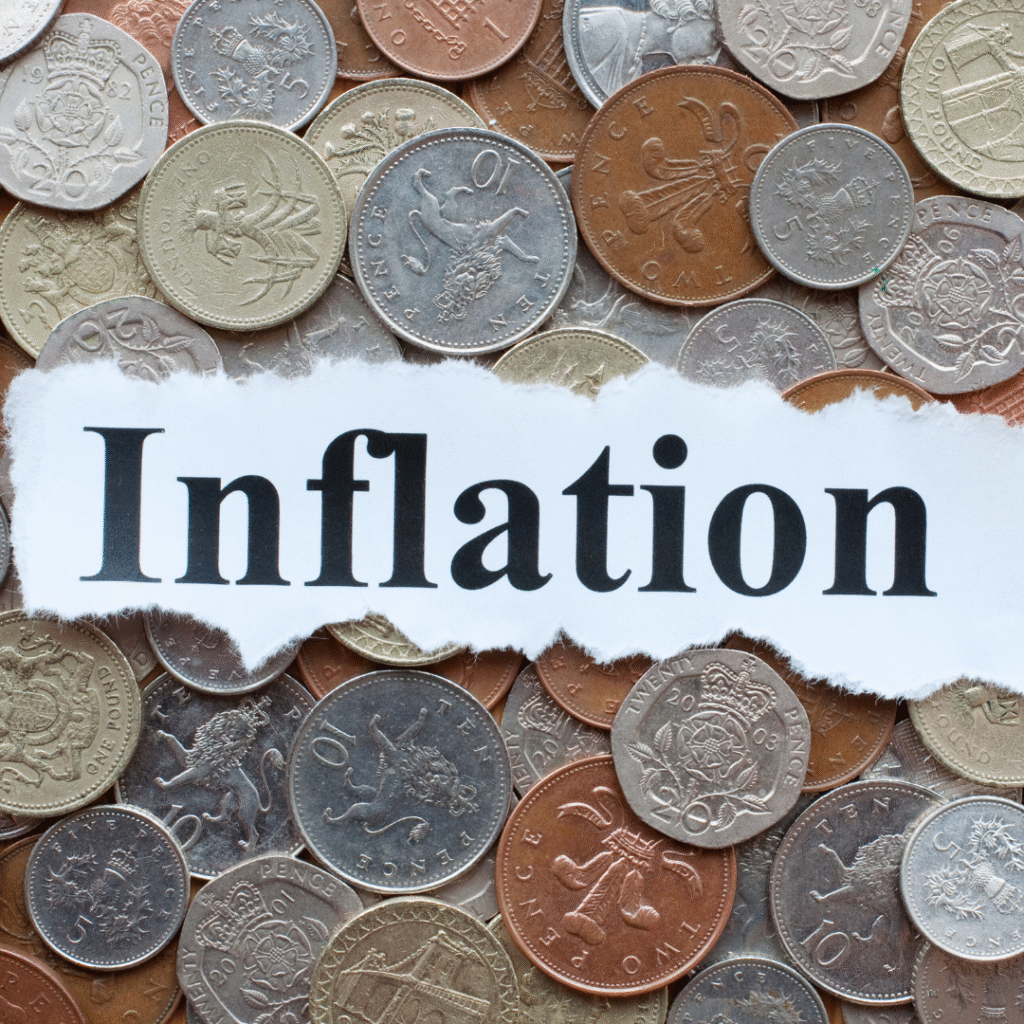
Inflation is a significant economic force that affects the purchasing power of money and can erode the value of investments over time. When inflation rises, the real value of cash decreases, meaning that individuals may buy less with the same amount of money in the future. This impact not only alters everyday expenses but also requires investors to reconsider their strategies in order to protect and grow their wealth.
As prices increase, fixed-income returns may fail to keep pace, leaving investors vulnerable. For those invested in stocks, inflation can lead to higher operational costs for companies, affecting profitability and, consequently, stock prices. Understanding these dynamics is crucial for making informed decisions about personal finances and investment portfolios.
The implications of inflation extend beyond immediate costs; they challenge long-term financial planning as well. Being mindful of how inflation influences both savings and investments is essential for successful wealth management. By recognizing these factors, individuals can take proactive steps to diversify and adjust their strategies effectively.
Understanding Inflation and Its Effects
Inflation refers to the general increase in prices of goods and services over time. Its effects on money and investments are significant. Different causes and measurements help understand how inflation influences economic conditions, impacting overall purchasing power.
What Is Inflation?
Inflation is the rate at which the general level of prices for goods and services rises, leading to a decline in purchasing power. When inflation occurs, each unit of currency buys fewer goods and services than it did previously. Central banks, like the Federal Reserve, aim to manage inflation rates to ensure price stability and economic growth.
Inflation is typically expressed as a percentage. A rising inflation rate can have different implications for the economy. Moderate inflation is often seen as a sign of economic growth, while high inflation can prompt concerns regarding the sustainability of that growth.
Measurement: Consumer Price Index (CPI) and Other Indicators
The Consumer Price Index (CPI) is a key measure used to evaluate inflation. It tracks changes in the price level of a basket of consumer goods and services. The CPI reflects the spending patterns of households and is crucial for assessing the cost of living.
Other indicators of inflation include the Producer Price Index (PPI) and the Personal Consumption Expenditures (PCE) Price Index. Each of these provides insights into different aspects of the economy and consumer behavior. Monitoring these indicators helps economists and policymakers make informed decisions regarding interest rates and inflation control.
Causes of Rising Prices
Rising prices can be attributed to various factors, including demand-pull and cost-push inflation. Demand-pull inflation occurs when demand for goods and services exceeds supply, often in a growing economy. This leads to increased prices as consumers compete for limited products.
Cost-push inflation arises from increased production costs, such as wage hikes or rising raw material prices. When costs go up, businesses often pass these expenses onto consumers in the form of higher prices. Understanding these causes aids in comprehending how inflation impacts personal finances and investments over time.
Impact of Inflation on Personal Finances
Inflation significantly influences personal finances through its effects on purchasing power, savings, budgeting, and income. Understanding these aspects helps individuals make informed financial decisions.
Purchasing Power and Real Value of Money
Inflation reduces the purchasing power of money over time. As prices rise, each dollar buys fewer goods and services. For instance, if inflation rates soar to 5%, what could be purchased for $100 last year might now require $105.
- Effect on Buying Power: Individuals may find that their salaries do not keep pace with rising prices, leading to a decline in real income. This situation can force families to adjust their spending habits.
- Long-Term Impact: If inflation remains high for an extended period, the real value of long-term savings or fixed incomes can erode, diminishing the overall financial security for retirees or savers.
Savings Accounts and Emergency Funds
Inflation impacts savings accounts and emergency funds, particularly those offering low interest rates. When inflation outpaces interest earned, the real value of these savings diminishes.
- Decreased Real Returns: For example, if a savings account offers an interest rate of 1% and inflation is at 3%, the account’s real return is negative. This scenario reduces the effective purchasing power of savings.
- Emergency Fund Considerations: Maintaining an adequate emergency fund becomes crucial during periods of high inflation. Individuals are urged to consider investment alternatives that may offer better returns to preserve capital.
Budgeting and Cost of Living
A rising cost of living due to inflation necessitates careful budgeting. Households often need to revise their budgets to accommodate increasing expenses.
- Adjusting Expenses: Essentials such as housing, food, and utilities tend to become more expensive, leading to adjustments in discretionary spending. Families may prioritize needs over wants.
- Importance of Flexibility: A flexible budget is essential in inflationary environments. Regular review and adjustment of spending categories can help individuals maintain financial stability, ensuring funds are allocated appropriately amid fluctuating prices.
Income and Disposable Income
Inflation affects income levels and disposable income, influencing individuals’ ability to save and invest. If wages do not rise in line with inflation, purchasing capacity diminishes.
- Wage Adjustments: Many companies offer cost-of-living raises to counteract inflation. However, if these increases do not meet overall inflation rates, employees still feel a strain on their finances.
- Disposable Income Pressures: Inflation directly affects disposable income, which is the amount available for savings or discretionary spending. Lower disposable income can limit investment options, reducing potential growth in personal wealth.
How Inflation Impacts Investments
Inflation affects various investment types differently. It can distort asset values, erode purchasing power, and influence decision-making in an investment portfolio. Key areas impacted include stock market dynamics, bonds, real estate, and commodities.
Stock Market: Value Stocks vs. Growth Stocks
Inflation typically favors value stocks over growth stocks. Value stocks often have established earnings and dividends, making them more resilient during inflationary periods. Investors may find these stocks appealing as they generally provide more stability and consistent cash flow.
Conversely, growth stocks, which rely on future earnings potential, can suffer. Their valuations might decrease if inflation leads to higher interest rates, making future earnings less attractive. This can cause volatility as investors reassess their risk appetite in inflationary scenarios.
Bonds and Fixed Income Investments
Inflation materially influences bonds and fixed income investments. When inflation rises, fixed income returns can diminish. If inflation outpaces nominal returns, the real rate of return on these investments can turn negative.
Inflation-protected securities, like TIPS (Treasury Inflation-Protected Securities), can be a hedge against inflation. They adjust their principal based on inflation rates, helping preserve purchasing power. Investors considering bonds should be aware of this dynamic to manage their portfolios effectively.
Real Estate and Commodities
Real estate often provides a hedge against inflation. Property values and rents tend to increase with rising prices, maintaining value in an inflationary environment. Real estate investments can provide steady cash flow and capital appreciation, depending on location and market conditions. Many investors look toward international markets to find better value and higher returns. The process involves specific legal steps that differ from domestic transactions. Understanding the local laws and requirements for buying property in Mexico as a foreigner (or elsewhere) helps protect the investment from common risks. This knowledge allows buyers to navigate the market with more confidence. It also ensures that the property serves its purpose as a long-term financial hedge.
While international properties are one option, domestic markets often present more predictable opportunities for steady growth. Local housing markets in growing regions can offer strong returns without the complexity of foreign laws. For example, the market for Lehigh Valley Real Estate has shown steady demand from buyers who want a mix of suburban space and economic stability. This area has a strong job market and steady population growth, which helps keep property values stable. Investors who focus on these regional hubs can build reliable equity over time and avoid currency risks.
Commodities also typically rise with inflation. Prices for essential goods climb, offering the potential for positive returns. Investors may consider allocating a portion of their portfolio to commodities to benefit from this correlation and mitigate inflation risk.
Impact on Investment Returns and Real Rate of Return
Inflation exerts a significant effect on investment returns. For investors, the real rate of return is crucial, representing the nominal return adjusted for inflation. If nominal returns do not keep pace with inflation, purchasing power decreases.
To assess the impact, consider the real return formula:
Real Return = Nominal Return – Inflation Rate.
Understanding this relationship helps investors make informed decisions. They may need to adjust their strategies to maintain their targeted real returns amidst inflation fluctuations.
Strategies to Protect Your Money and Investments
To mitigate the impact of inflation on finances, adjusting investment strategies is crucial. Several methods can help preserve purchasing power while maximizing returns. Below are key strategies that can be utilized effectively.
Adjusting Asset Allocation for Inflation
Adjusting asset allocation involves strategically selecting different asset types to combat inflation. Stocks and real estate often outperform inflation, making them valuable for an inflation-resistant portfolio.
- Equities: Over the long term, equities have consistently shown strong growth potential and have often outpaced inflation, helping investors build wealth over time. They also provide opportunities for portfolio growth through capital appreciation and dividend income across a wide range of industries.
- Real Assets: Real assets such as commodities and real estate are often valued for their ability to retain and grow value during changing economic conditions. Real Estate in particular can offer long-term appreciation, rental income potential, and tangible ownership benefits that make it an attractive investment option for many individuals.
An investor’s risk tolerance and financial goals should align with their asset allocation to ensure effective inflation protection. Regularly reviewing and rebalancing the portfolio is vital for maintaining desired exposure to inflation-sensitive assets.
Interest Rates and the Role of High-Yield Savings Accounts
Current interest rates significantly influence how an individual approaches savings. High-yield savings accounts offer competitive interest rates, which can help mitigate the effects of inflation on cash savings.
- Comparison to Inflation: Checking if the account’s interest rate exceeds inflation helps determine its effectiveness.
- Liquidity: These accounts provide easy access to funds while offering better returns than traditional savings accounts.
Utilizing high-yield savings accounts can be a smart short-term strategy for investors looking for stability without sacrificing accessibility.
Inflation Risk Management and Consulting a Financial Professional
Engaging with a financial professional is essential for effective inflation risk management. They can provide personalized strategies tailored to an individual’s circumstances.
Engaging with a financial professional is essential for effective inflation risk management. They can provide personalized strategies tailored to an individual’s circumstances. For institutional investors, ensuring the integrity and comparability of investment performance data is paramount, especially when evaluating strategies designed to navigate volatile economic conditions. This often involves rigorous adherence to global standards, where independent third-party assessments play a critical role in validating performance claims.
Reputable GIPS verifiers offer this specialized assurance, helping firms maintain transparency and investor confidence by confirming that their reported returns meet established industry benchmarks. Such verification is key to building trust and making sound, data-driven decisions in a complex financial landscape.
- Investment Strategy Review: Regular assessments help keep the investment strategy aligned with changing market conditions and inflation rates.
- Planning for Long-Term Goals: A financial expert helps develop a comprehensive plan that accounts for future expenses and retirement savings amidst inflationary pressures.
Consulting a professional can enhance confidence in one’s investment decisions and ensure a proactive approach to managing inflation risk.