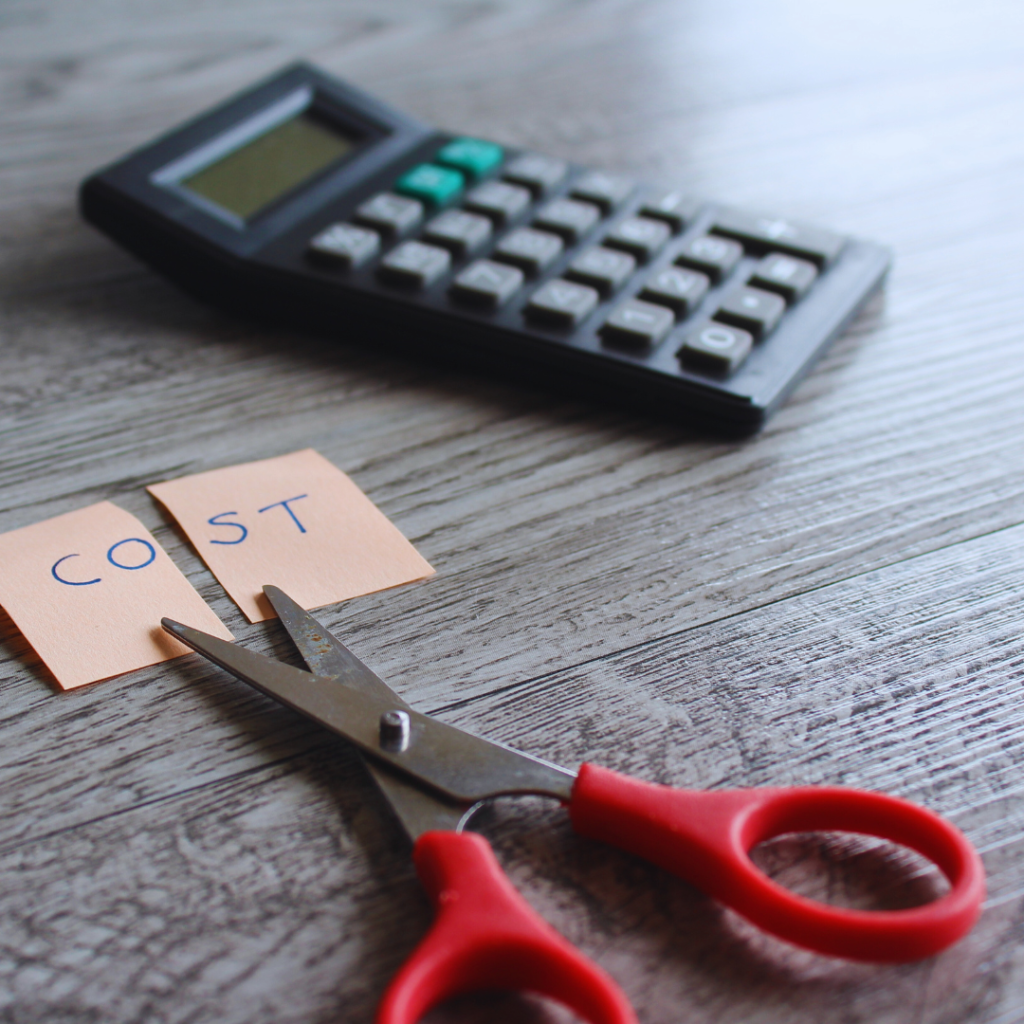
Tracking spending doesn’t have to be overwhelming. Many people avoid it because they think it takes too much time or causes stress. A simple system tailored to your lifestyle can make monitoring expenses easy and manageable.
Using tools like budgeting apps or a basic spreadsheet can keep spending visible without adding pressure. Regular, small check-ins help maintain control without turning it into a chore.
By focusing on consistency rather than perfection, anyone can track their spending calmly and effectively. This method reduces anxiety and builds financial awareness step-by-step.
Why Tracking Your Spending Is Stress-Free and Essential
Tracking spending provides clarity and empowers better decisions. It reduces financial uncertainty by revealing exact expense patterns. This process builds a clearer path to improved financial health without creating unnecessary pressure.
Benefits of Knowing Where Your Money Goes
Knowing where every dollar goes helps identify wasteful expenses. It highlights regular costs like subscriptions or daily coffees that add up unnoticed. When he or she tracks expenses, they open the door for smarter budgeting.
This awareness prevents overspending and surprises at bill time. It enables prioritizing essential costs while cutting back on non-essentials. The clear picture also supports more realistic financial goals based on actual spending data.
Taking Control Without Overwhelm
Tracking does not require complex tools or constant logging. Simple methods like spreadsheets, budget apps, or even a notebook can work well. The key is consistency rather than perfection, lowering the chance of feeling overwhelmed.
By breaking expenses into categories (e.g., groceries, entertainment), he or she gains control step-by-step. This manageable approach avoids stress and creates a sense of accomplishment. It replaces guessing with informed choices, simplifying money management.
The Link Between Spending Habits and Financial Health
Spending habits directly impact financial health by influencing savings and debt levels. Poor tracking often leads to unnoticed leaks in the budget that erode long-term security. Consistent expense tracking builds awareness to adjust behaviors positively.
Understanding patterns allows for timely course corrections before problems escalate. Good habits like tracking spending regularly contribute to healthier credit scores and reduced financial anxiety. Accurate expense monitoring is a foundational skill for financial well-being.
Setting Up an Effortless Expense Tracking System
Creating a simple system to track spending involves selecting effective methods, using the right tools, and organizing expenses clearly. Each step helps reduce stress and prevents feeling overwhelmed by financial details.
Choosing Stress-Reducing Methods
The key to stress-free expense tracking is picking a method that fits daily habits and time availability. The envelope system works well for those who like handling cash directly, dividing money into labeled envelopes like groceries or utilities.
Others prefer a paper log or spreadsheet for tracking purchases, which lets them review spending visually and add notes. The goal is consistency, so choosing a method that doesn’t feel like a chore is essential.
They should start small with basic tracking and expand as comfort grows, avoiding complicated setups that cause stress. Simple routines repeated daily or weekly tend to yield the best adherence.
Budgeting Apps and Tools for Simplicity
Digital tools can automate much of the tracking process, reducing manual entry and errors. Popular budgeting apps like YNAB (You Need a Budget), Mint, and PocketGuard offer bank connection features that automatically categorize expenses.
YNAB focuses on giving every dollar a job, which encourages active budgeting. Mint tracks spending and alerts when bills are due, offering a broad view. PocketGuard aims for direct simplicity by showing how much they can safely spend after bills.
Most apps allow syncing multiple accounts and provide visual reports. Automation and reminders within these apps help lessen the mental load of constant money management.
Customizing Categories Like Groceries and Utilities
Organizing expenses into clear, relevant categories improves clarity and control. Essential spending areas usually include groceries, utilities, rent or mortgage, transportation, and entertainment.
Custom categories should reflect actual spending patterns. For example, groceries might be split into regular food shopping and dining out to spot saving opportunities more easily.
Utilities often cover electricity, water, gas, and internet. Separating these helps track where most money goes and target reductions.
Budgeting tools typically allow easy customization of categories. Clear labels encourage accurate recording and better understanding of habits, making budgeting less confusing and more actionable.
Staying Consistent and Making Tracking a Habit
Consistency in tracking spending requires clear steps that integrate financial goals, routine check-ins, visual progress, and rewards. Breaking down tasks into manageable actions supports long-term habits without overwhelming the individual.
Setting Realistic Financial Goals
He should begin by defining realistic financial goals tailored to his income and expenses. This involves prioritizing debt payments, necessary bills, and savings before discretionary spending. Using a zero-based budget helps assign every dollar a purpose, ensuring money is directed efficiently.
Goals should be specific, measurable, and time-bound. For example, paying off $1,000 in credit card debt over 6 months or saving $200 monthly for investments. These targets create clear benchmarks, preventing unrealistic expectations which can lead to discouragement. Adjusting goals as circumstances change keeps them achievable and relevant.
Establishing Weekly Money Check-Ins
Regular, scheduled check-ins make it easier to stay aware of spending habits. A weekly review session, lasting 10-15 minutes, allows him to update expenses, compare actual spending against the budget, and spot inconsistencies early.
Using tools like budgeting apps or spreadsheets simplifies this process. Setting a fixed day and time—such as Sunday evening—builds discipline. These check-ins also make it easier to adapt plans based on unexpected expenses, reducing stress by maintaining control.
Visualizing Progress to Boost Motivation
Tracking charts or graphs can clearly show progress over time and highlight improvements. Visual aids turn abstract numbers into concrete evidence of success, reinforcing the habit.
For example, a line graph depicting debt reduction or a bar chart illustrating monthly savings growth provides immediate feedback. This clarity helps maintain focus, especially when goals require months or years to complete. He can also use color coding to signal progress stages.
Celebrating Small Wins Along the Way
Acknowledging small milestones encourages continued effort. Celebrations could be simple, like enjoying a favorite treat or setting aside a small budget for enjoyment after meeting a savings goal.
Recognizing achievements—however minor—creates positive reinforcement. It’s important that these rewards fit within the overall budget to avoid derailing progress. Celebrations sustain motivation by linking financial discipline with tangible outcomes.
Analyzing Your Spending and Adjusting for Success
Tracking expenses effectively requires noting recurring spending habits, spotting areas for improvement, and updating the system as circumstances evolve. Maintaining good financial health depends on continuous review and adaptation. This process helps create a budget that supports both daily needs and long-term goals like investments.
Identifying Patterns to Reduce Stress
Identifying spending patterns involves reviewing tracked expenses regularly, typically weekly or monthly. He or she should look for repeated charges, such as subscriptions or impulse purchases, that add up. Recognizing these allows targeted cuts without drastic lifestyle changes.
Stress decreases when predictable spending replaces surprises. Using spreadsheets or budgeting apps can highlight categories that consume the largest portions of income. Pinpointing these areas aids in adjusting budgets realistically and prevents overspending.
Adapting Your System as Life Changes
Life events like job changes, moving, or family growth impact spending habits. The budgeting system must be flexible enough to accommodate these shifts. Updating expense categories and reallocating funds ensures the budget remains accurate.
He or she should schedule periodic reviews, at a minimum, quarterly, to reflect changes in income or monthly obligations. This prevents outdated budgets from creating unnecessary financial strain. Adapting tools and methods, such as switching from manual entries to automated apps, can improve tracking efficiency.
Optimizing for Long-Term Financial Freedom
Long-term financial health includes budgeting for savings and investments, not just daily expenses. Tracking should separate essential spending from funds allocated toward building wealth. Setting aside money regularly for investments helps create financial security over time.
He or she can optimize their system by automating transfers into savings or retirement accounts. This ensures disciplined investment without added effort. Regularly reviewing investment contributions and adjusting based on financial goals sharpens focus on wealth accumulation instead of running a tight daily budget only.