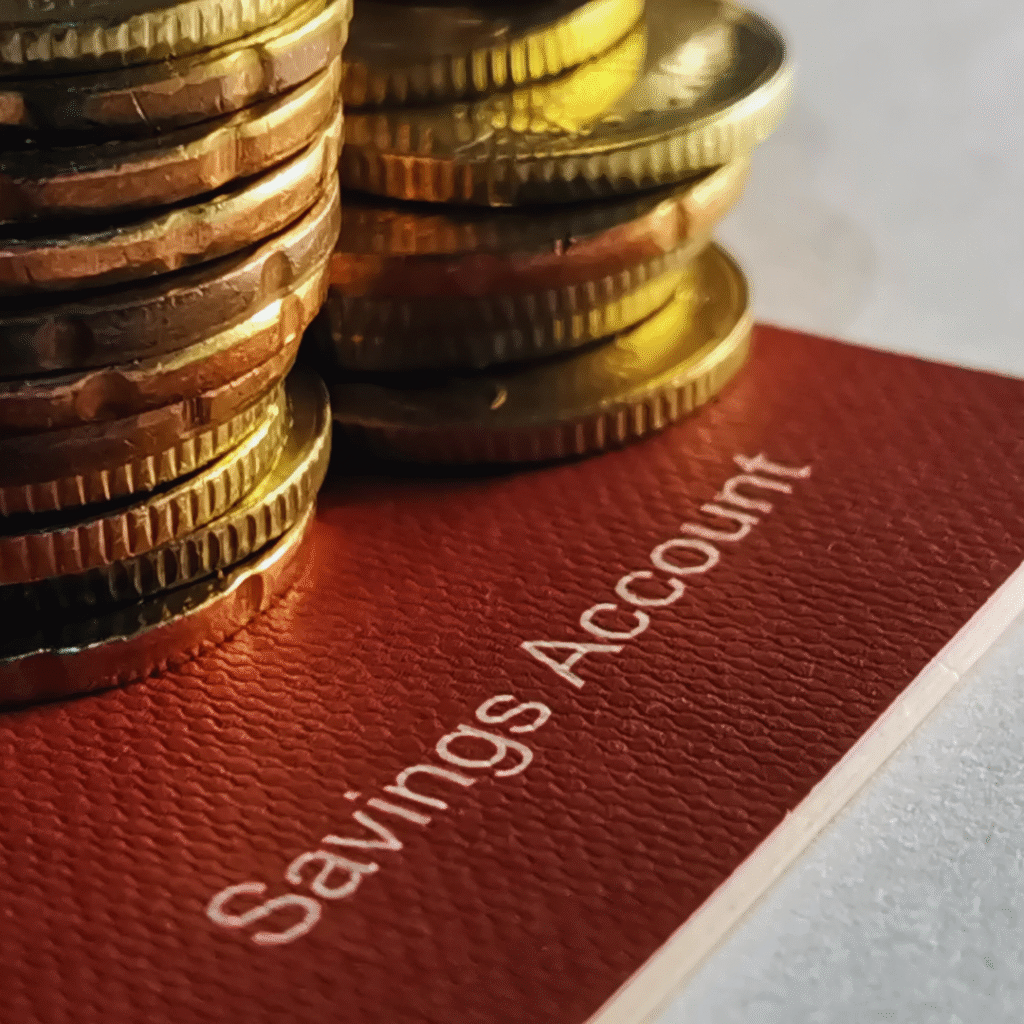
High-yield savings accounts (HYSA) offer a powerful way to grow savings with minimal risk. These accounts typically provide significantly higher interest rates compared to traditional savings accounts, making them an attractive option for anyone looking to maximize their returns on cash reserves. By understanding how HYSAs work, individuals can make informed decisions about where to place their money.
Unlike regular savings accounts, high-yield savings accounts often come with fewer fees and may not require a minimum balance. They are typically offered by online banks, which can afford to pay higher interest due to lower overhead costs. This ease of access and flexibility makes HYSAs a viable choice for both short-term savings goals and building an emergency fund.
When considering a high-yield savings account, it is important to compare various options, as interest rates and terms can differ significantly between institutions. This approach allows savers to find the best fit for their financial needs while ensuring their funds are working efficiently.
How High-Yield Savings Accounts Work
High-yield savings accounts offer a more attractive way to save money compared to traditional savings accounts. Key aspects include differentiating factors, interest rates, and the impact of compound interest on account growth.
What Sets High-Yield Savings Accounts Apart
High-yield savings accounts stand out primarily due to their interest rates, which are significantly higher than those typically offered by standard savings accounts. These accounts are often provided by online banks and financial institutions aiming to attract customers with competitive rates.
Most high-yield accounts require a minimum deposit to open and may have specific conditions for maintaining that balance to earn the advertised rates. Unlike traditional banks, online institutions generally have lower overhead costs, allowing them to pass savings onto customers through better interest yields.
Interest Rates and Annual Percentage Yield Explained
The interest rate is a critical factor in determining how much a depositor can earn with a high-yield savings account. Banks advertise these rates prominently, but understanding the Annual Percentage Yield (APY) is also essential. APY reflects not only the interest rate but also the frequency of compounding, providing a clearer picture of potential earnings over time.
For instance, an account with a 2% interest rate compounded monthly would have a higher APY than one with the same rate but compounded annually. Depositors should always compare APYs between accounts to determine which offers the best return on their savings.
The Role of Compound Interest
Compound interest plays a significant role in maximizing the benefits of high-yield savings accounts. With this method, interest earned is added to the principal balance, allowing savers to earn interest on both their initial deposit and the accumulated interest over time.
Many institutions compound interest on a daily, monthly, or quarterly basis. For example, daily compounding means depositors can see their balance grow slightly more with each passing day. Understanding these mechanics helps individuals choose the right account and strategically increase their savings.
Key Benefits and Features
High-yield savings accounts offer several advantages that make them an attractive option for savers. Features such as flexibility, safety, and minimal fees contribute to their growing popularity.
Flexibility and Accessibility
High-yield savings accounts provide significant flexibility and accessibility for account holders. Most accounts are available online, allowing easy management from anywhere with internet access. This convenience is beneficial for individuals who prefer managing their finances on the go.
Account holders can deposit and withdraw funds at their convenience, enhancing liquidity. Many institutions also allow for mobile check deposits, which simplifies the saving process. Additionally, instant transfers to checking accounts make accessing funds seamless when needed.
Overall, the combination of digital access and ease of use contributes to the appeal of high-yield savings accounts.
FDIC Insurance and Account Safety
High-yield savings accounts are typically FDIC-insured, providing assurance to account holders. This insurance covers deposits up to $250,000 per depositor, protecting savings even in the unlikely event of a bank failure.
The security of these accounts is paramount for many savers. The FDIC insurance ensures that funds remain safe while earning higher interest rates compared to traditional savings accounts. This balance of accessibility and safety encourages responsible saving and offers peace of mind for account holders.
It’s essential for individuals to check if their chosen bank is FDIC-insured before opening an account, reinforcing the importance of safety in personal finance.
Minimal Fees and Requirements
Many high-yield savings accounts feature minimal fees, making them cost-effective for savers. Some accounts have no monthly fees, while others offer fee waivers if account holders meet certain conditions, such as maintaining a minimum balance.
Moreover, the requirements to open such accounts are often straightforward. Many financial institutions allow online applications that can be completed in minutes. This ease of access attracts a wider range of customers, including those new to saving.
Overall, low fees and simple requirements make high-yield savings accounts an appealing choice for everyone looking to maximize savings effectively.
Comparing High-Yield Savings Accounts With Other Options
Analyzing high-yield savings accounts alongside traditional options provides insight into their advantages and suitability for different financial goals. Readers will find comparisons that highlight key differences in interest rates, accessibility, and account features.
Traditional Savings Accounts vs. High-Yield Accounts
Traditional savings accounts typically offer lower interest rates, often around 0.01% to 0.10%. This is significantly less than high-yield savings accounts, which can provide rates exceeding 4% APY.
High-yield savings accounts usually require online management and may have minimum balance requirements. In contrast, traditional accounts are often available at local banks and credit unions, providing in-person access.
Important Considerations:
- Interest Rates: High-yield rates can significantly outperform traditional accounts.
- Accessibility: Traditional accounts may allow for easier physical access, while high-yield accounts often promote online ease.
Certificates of Deposit and Money Market Accounts
Certificates of Deposit (CDs) lock funds for a specified term, usually ranging from months to several years. They generally offer higher interest rates than both traditional and high-yield savings accounts. However, withdrawing money before maturity incurs penalties.
Money Market Accounts (MMAs) provide competitive interest rates, often slightly lower than high-yield accounts, while allowing limited check-writing privileges. They can also require a higher minimum balance.
Comparison Points:
- CDs: Fixed rates for set terms, less flexible.
- MMAs: Hybrid features, competitive rates, but often higher minimums.
Online Banking and Accessibility
High-yield savings accounts are predominantly offered by online banks, providing the ability to earn higher rates due to lower overhead costs. Many online institutions may also offer user-friendly apps for managing accounts efficiently.
Traditional banks, on the other hand, allow for physical branch access, which can benefit customers who prioritize face-to-face interactions. While these banks may provide less attractive interest rates, some offer extended features such as free checking accounts.
Accessibility Factors:
- Online Banks: Higher rates, digital management.
- Traditional Banks: Personal service, often lower rates.
How to Choose and Use a High-Yield Savings Account Effectively
Selecting and utilizing a high-yield savings account involves careful consideration of various factors. Key areas include evaluating financial institutions, setting specific savings goals, and planning for withdrawals. Understanding short-term and long-term needs can also enhance savings effectiveness. Engaging a financial professional can provide personalized insights.
Evaluating Financial Institutions and Account Options
When choosing a high-yield savings account, assessing different financial institutions is crucial. Consider the interest rates offered, as these can vary significantly. Websites like Bankrate.com allow comparisons of rates across banks and credit unions.
It is also important to examine account fees, minimum deposit requirements, and withdrawal limitations. Some institutions may offer promotional rates that increase over time but check the terms and conditions. Online banks often provide higher yields due to lower overhead costs; however, ensure they are FDIC-insured for account safety.
Setting Savings Goals and Planning Withdrawals
Establishing clear savings goals can help maximize the benefits of a high-yield savings account. Individuals should identify whether they are saving for short-term needs, like an emergency fund, or long-term objectives, such as retirement savings.
Planning withdrawals is equally important. Many high-yield accounts limit monthly withdrawals, which can affect access to funds. Knowing when funds will be needed helps in choosing the right account and avoids fees associated with exceeding withdrawal limits.
Considering Short- and Long-Term Goals
Short-term goals might include building an emergency fund or saving for a vacation. High-yield savings accounts can provide a secure location for these funds, offering quick access when needed.
Long-term goals, such as retirement savings, may require different strategies. Consider how long the money can stay in the account before needing it. In some cases, pairing a high-yield account with other investment options like treasury bills might work, balancing access to funds with higher growth potential, particularly in times of market volatility.
Consulting a Financial Professional
Engaging a financial professional can provide valuable insights when selecting and managing a high-yield savings account. They can help clarify which accounts align best with specific financial goals.
A professional also assists in navigating the complexities of savings strategies. For instance, they might recommend optimal amounts to deposit based on individual circumstances and market trends. Their expertise ensures that the savings strategy remains effective and aligned with both current and future financial needs.