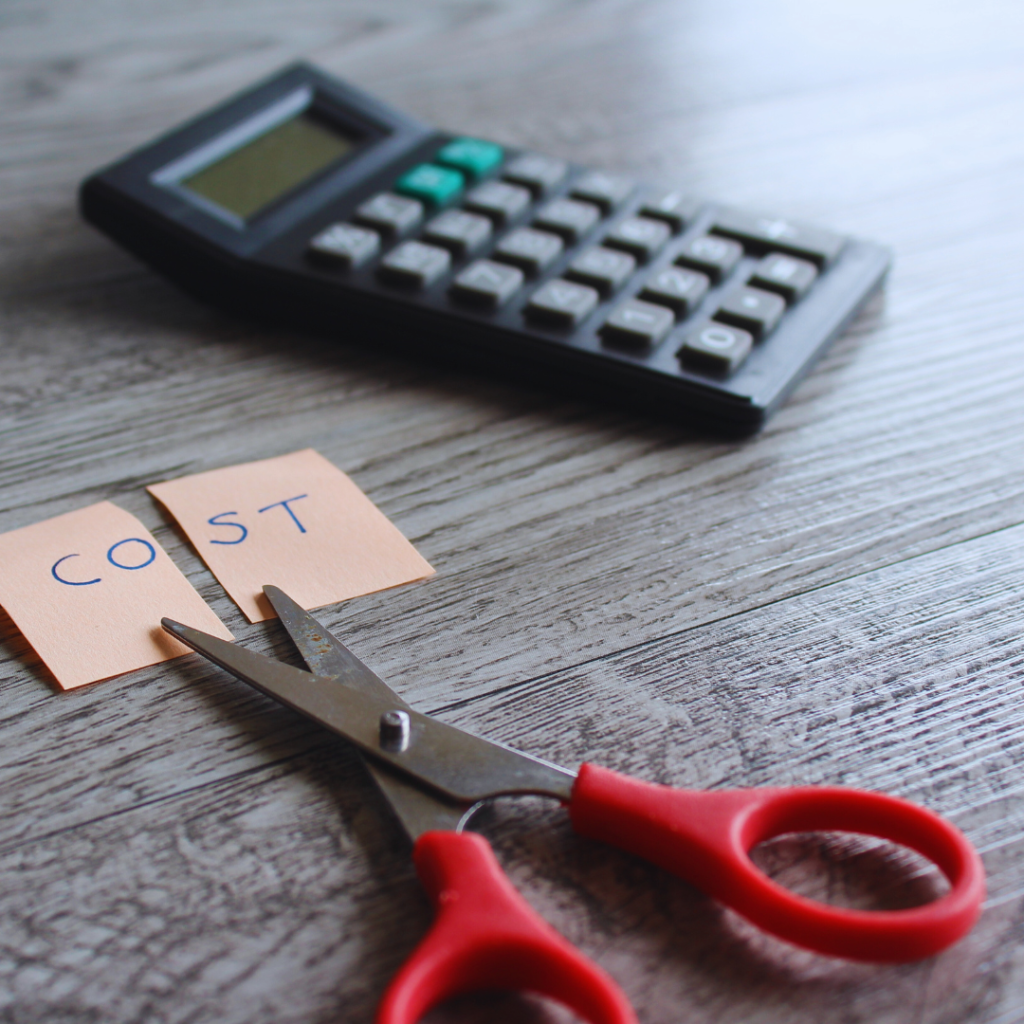
Managing debt effectively while preserving savings can seem like a daunting challenge. Many individuals worry that prioritizing debt payments will inevitably lead to diminished savings. It is possible to achieve a balance by creating a strategic plan that addresses both debt management and savings accumulation.
Prioritizing high-interest debt can free up more financial resources over time, allowing for additional contributions to savings. Setting realistic budgets and identifying unnecessary expenses can enhance one’s ability to meet both financial goals. By establishing clear priorities, individuals can maintain their savings without feeling overwhelmed by debt.
Strategies such as the snowball or avalanche method for debt repayment can simplify the process, making it more manageable. Incorporating savings goals into the debt repayment plan can provide motivation and a sense of accomplishment. Through disciplined financial practices, effective debt management does not have to come at the cost of future savings.
Understanding Your Debt and Savings
Managing debt effectively requires a clear understanding of its types, the importance of savings, and a realistic assessment of one’s financial situation. This section explores these crucial aspects.
Identifying Types of Debt
Debt can take various forms, and understanding each type is important for effective management. Common types include:
- Credit Card Debt: Often characterized by high interest rates, accumulating quickly if not paid off monthly.
- Student Loans: Typically low interest but can be substantial over time and may require long repayment periods.
- Mortgage: Secured by property, usually featuring lower rates but representing a long-term commitment.
- Medical Bills: Can arise unexpectedly and may not have interest, but can impact credit if unpaid.
- Car Loans and Personal Loans: Usually come with fixed payment schedules and rates.
Car loans deserve particular attention when it comes to rate shopping, since the difference of even a percentage point can add up substantially over a multi-year term. This is especially true for buyers considering an eco-friendly vehicle, where financing costs factor into the overall value of switching. Securing a competitive interest rate on electric vehicle loan can meaningfully lower the total cost of the loan, making the transition easier to justify alongside other financial priorities.
Identifying specific debts helps in prioritizing which to pay off first, particularly high-interest debts.
The Role of Savings in Financial Health
Savings act as a financial buffer, providing security against emergencies and unexpected expenses. It’s vital to strike a balance between paying down debt and building a savings cushion.
- Emergency Fund: Ideally, it should cover three to six months’ worth of expenses. This fund prevents resorting to high-interest credit cards during unforeseen events.
- Savings Goals: Setting specific targets, like saving for a home or retirement, influences how one allocates funds between savings and debt repayment.
Understanding the importance of savings enables individuals to manage their financial health better while addressing debt.
Assessing Your Current Financial Situation
An accurate assessment involves evaluating income, expenses, and current debt levels. A simple budget can help clarify this picture.
- Track Monthly Income: Consider all sources, including salary, bonuses, and passive income.
- List All Expenses: Fixed (rent, mortgage, loans) and variable (entertainment, groceries) should be accounted for to see where the money goes.
- Calculate Debt-to-Income Ratio: This ratio helps in understanding how much debt is manageable compared to total income. Generally, a ratio below 36% is healthier.
By understanding their financial situation, individuals can make informed decisions on managing both debt and savings effectively.
Building an Effective Debt Management Strategy
Managing debt effectively requires a structured approach, especially when trying to maintain savings. Key strategies include prioritizing high-interest debts, selecting an appropriate repayment method, creating a realistic repayment plan, and considering balance transfers or consolidation loans.
Prioritizing High-Interest Debts
In debt management, prioritizing debts with the highest interest rates is crucial. These debts accumulate interest more rapidly, increasing the total owed over time.
To tackle this, individuals can compile their debts and identify the interest rates associated with each.
Example Table of Debts:
|
Debt Type |
Balance | Interest Rate | Minimum Payment |
|
Credit Card A |
$3,000 | 22% | $60 |
| Credit Card B | $1,500 | 18% |
$30 |
| Personal Loan | $5,000 | 10% |
$100 |
By focusing payments on the debt with the highest interest rate while making minimum payments on others, individuals can significantly reduce the total interest paid and decrease the time required to pay off debt.
Choosing Between Debt Snowball and Avalanche Methods
Selecting the right repayment method is vital for sustained motivation. The debt snowball method involves paying off smaller debts first, fostering a sense of achievement as each is paid off. This psychological boost can be beneficial.
Conversely, the avalanche method prioritizes debts by interest rate, starting with the highest. This approach ultimately saves more money on interest in the long run but may take longer to see initial results.
Understanding personal preferences and financial situations can help in making this choice.
Implementing a Realistic Repayment Plan
Creating a realistic repayment plan requires assessing income and expenses. Individuals should track their monthly expenses to identify areas where they can cut back.
Allocating extra funds toward debt repayment is essential. Establishing a budget can help ensure that some money is consistently directed toward paying more than the minimum required.
Example Budget Allocation:
- Essential Expenses: 50%
- Debt Repayment: 30%
- Savings: 20%
This structured approach facilitates sustained debt reduction while still contributing to savings.
Utilizing Balance Transfers and Consolidation Loans
Balance transfers can facilitate debt management by enabling individuals to consolidate high-interest debts onto one lower-interest credit card. Many cards offer promotional interest rates for transfers, making it a viable option for reducing overall interest costs.
Debt consolidation loans also provide another path. These loans consolidate multiple debts into a single payment, often with lower interest. This simplifies finances and can lower total monthly payments.
Both options require careful consideration of fees and terms, ensuring they align with long-term financial goals.
Preserving and Growing Your Savings While Managing Debt
Managing debt while preserving and growing savings requires a strategic approach. Key strategies involve maintaining an emergency fund, budgeting wisely, setting clear financial goals, and finding a balance between debt repayment and investing.
Maintaining an Emergency Fund
An emergency fund is crucial for financial stability. It provides a safety net during unexpected expenses such as medical bills or car repairs.
Typically, this fund should cover three to six months’ worth of living expenses. To build it, allocate a portion of monthly income to a dedicated savings account. Having this safety net in place is important, as a lack of readily available cash for emergencies can force many people to seek expedited financing solutions. In situations where an urgent need for money arises, the accessibility and speed of same day loans can become a necessary, though less ideal, alternative to personal savings.
Creating this fund can often mean finding additional savings by reducing discretionary spending. Automating savings transfers can help in building this fund consistently. Home repairs are a common reason people have to use their emergency savings. A leaking roof, pipe, or storm damage can cause immediate problems that require fast action to prevent more damage to the property. Hence, working with a professional like Phoenix Roofing Contractors roofer in Phoenix can help resolve these issues before they become too expensive. This kind of planned maintenance protects the value of the home and keeps emergency costs low.
Smart Budgeting to Save Money
Effective budgeting is essential for saving money while managing debt. Categorizing monthly expenses allows for better tracking of spending habits.
He or she can start by listing fixed monthly payments, such as rent or mortgage, utilities, and loan payments. Next, identify variable expenses like groceries, entertainment, and dining out.
Recognizing unnecessary expenses can free up funds. Utilizing tools like budgeting apps or spreadsheets can simplify this process. Setting aside any savings should be a priority in the budget plan.
Setting and Achieving Financial Goals
Clear financial goals enable focused saving and spending. He or she should establish both short-term and long-term goals.
Examples of short-term goals include saving for a vacation or building a new emergency fund. Long-term goals might involve retirement savings.
Creating a timeline for each goal can provide motivation. He or she can track progress regularly to stay accountable. Rewarding small milestones can maintain motivation and commitment.
Balancing Debt Repayment With Investing
Balancing debt repayment with investing is crucial in financial planning. While paying down debt is important, investing can also create wealth over time.
Prioritize high-interest debt first, as it costs more in the long run. Once that debt is manageable, he or she can start allocating funds toward investments.
Even small amounts can grow through compound interest. Open a retirement account or consider index funds for diversified growth opportunities. Striking this balance can lead to financial security without sacrificing savings.
Sustaining Long-Term Financial Wellness
Maintaining financial wellness requires careful monitoring and adjustments to financial plans. By focusing on education and managing spending, individuals can achieve their savings goals while effectively managing debt.
Monitoring Progress and Adjusting Plans
Regularly reviewing financial goals is crucial for maintaining wellness. Tracking expenses and savings helps individuals identify trends. Tools like budgeting apps can simplify this task.
Setting specific, measurable, achievable, relevant, and time-bound (SMART) goals aids in maintaining focus. For example, if debt reduction targets aren’t met, consider adjusting spending on discretionary categories.
Making incremental changes can lead to significant progress. Small adjustments in spending habits—like dining out less frequently—can free up funds for savings. Regular check-ins with oneself or a financial advisor fortify commitment to the plan.
Avoiding Impulse Purchases and Managing Spending
Impulse purchases can derail a carefully crafted budget. Techniques to avoid these include creating a shopping list and setting a waiting period before making purchases. This approach encourages individuals to evaluate whether a purchase is necessary.
Furthermore, distinguishing between wants and needs ensures that essential expenses are prioritized. A monthly spending limit can curtail unnecessary expenditures. Using cash for discretionary spending may also help control impulse buying.
Adopting a mindful spending mentality reinforces financial discipline. Keeping track of monthly expenses can reveal spending patterns that need adjustment. Recognizing triggers for impulse purchases can lead to more intentional financial choices.
The Importance of Financial Education
Financial education is paramount for long-term success. Understanding concepts such as interest rates, debt management, and budgeting enhances financial decision-making.
Individuals should take advantage of resources like workshops, online courses, or financial literacy programs. Knowledge empowers them to make informed decisions and avoid common financial pitfalls.
Additionally, staying updated on changes in the financial landscape is critical. For instance, emerging trends in saving and investing can offer new opportunities. The more informed they are, the better equipped individuals are to manage their financial health.
Optimizing Insurance and Other Monthly Costs
Reviewing insurance policies regularly can reveal potential savings. For example, comparing car insurance rates can lead to significant reductions in monthly premiums. Many insurers offer discounts for safe driving or bundling multiple policies.
Moreover, evaluating non-essential subscriptions can identify unnecessary expenses. Canceling unused services or negotiating rates can also lead to savings.
Efforts to optimize monthly costs should include energy-efficient practices that reduce utility bills. Small changes, like switching to LED bulbs or minimizing water usage, can lower expenses. These savings contribute directly to enhanced financial wellness.