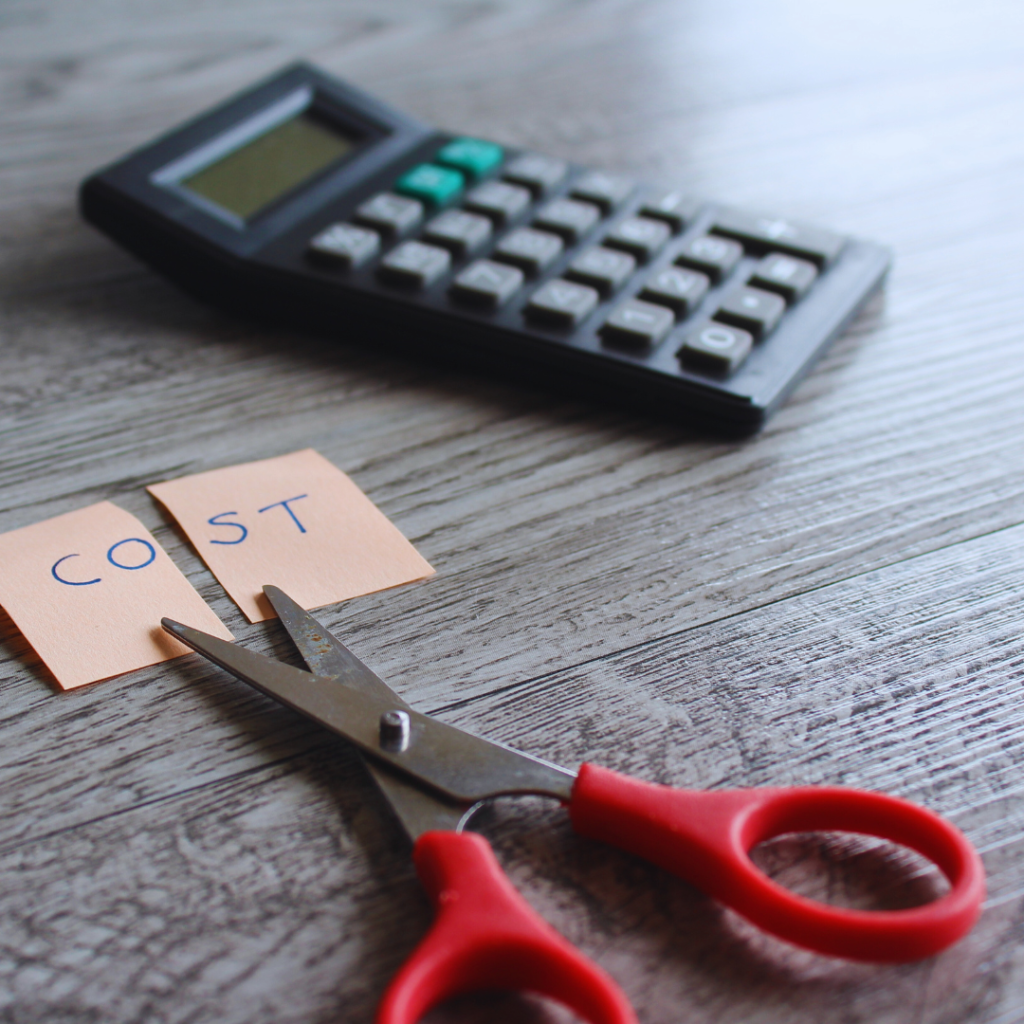
Many individuals struggle with budgeting, often leading to frustrations and financial setbacks. Recognizing common budgeting mistakes can significantly improve one’s financial management skills. From underestimating expenses to failing to track spending, these missteps can derail financial goals.
Individuals frequently overlook the importance of setting realistic budgets that reflect their actual lifestyle and spending habits. This oversight can result in constant adjustments and the feeling of never actually achieving one’s financial objectives.
Avoiding these pitfalls requires awareness and proactive strategies. Implementing structured tracking methods and regularly reviewing budgets can empower anyone to maintain better control over their finances.
Fundamental Budgeting Mistakes
Many people encounter basic errors in budgeting that can affect their financial health. Identifying and addressing these common mistakes is essential for effective money management.
Not Creating a Budget
Failing to create a budget is one of the most frequent mistakes. Many individuals overlook this vital step, believing they can manage finances without a structured plan. A budget serves as a roadmap, helping to allocate resources wisely.
Without a budget, it’s easy to lose track of income versus expenses. Many people end up overspending on discretionary items, which inflates monthly expenditures. Creating a budget involves listing income sources and categorizing expenses, which ensures a clear view of financial standing.
To establish a budget, one can use tools such as spreadsheets or budgeting apps. Regular revisions of the budget increase accuracy and help adapt to any changes in financial circumstances.
Failing to Track The Spending
Another critical budgeting mistake is neglecting to track spending. It’s essential to monitor where money goes each month to maintain financial accountability. Many underestimate how small purchases can add up, leading to budget shortfalls.
Tracking spending can be done through various methods, including mobile apps or manual logging. By diligently recording expenses, individuals can identify patterns and areas for improvement. Understanding spending habits helps to adjust a budget effectively.
Accountability boosts awareness and deters unnecessary spending. Regularly reviewing this data aids in making informed decisions to align expenditures with personal financial goals.
Ignoring Irregular and Unexpected Expenses
Ignoring irregular and unexpected expenses is a common pitfall in personal finance. These costs can include medical bills, car repairs, or home maintenance issues. Such expenses often disrupt a carefully planned budget, especially when a critical system fails, and homeowners suddenly need to find an electrician for wiring issues, or call an HVAC Contractor to repair a furnace or air conditioning unit.
Homeowners often overlook the exterior of their property until a leak or visible damage occurs. Neglecting the roof can lead to much larger financial burdens down the road, as water damage can compromise the structural integrity of the entire house. For those living in regions with harsh weather, budgeting for professional roof repair in Red Deer ensures that minor issues are addressed before they become costly emergencies.
Regular inspections and timely maintenance help in spreading out these costs over time rather than facing a massive bill all at once. By treating roof care as a predictable maintenance item rather than a surprise, you can better protect your long-term financial health.
Beyond the roof, managing how water moves around the foundation is equally critical for long-term property preservation. Heavy rainfall can quickly overwhelm a yard, leading to basement flooding or soil erosion that devalues the home.
For residents in coastal or high-moisture areas, planning for a professional sump pump installation in Sarasota can prevent these costly water-related disasters before they start. Investing in proper drainage systems serves as a form of financial insurance against the structural damage caused by standing water. By incorporating these preventative measures into a home maintenance budget, owners can avoid the high interest of emergency loans typically needed for major foundation repairs.
To mitigate this issue, it’s wise to establish an emergency fund. Setting aside a small monthly contribution for unpredictable costs can provide a buffer, ensuring financial stability. This proactive approach reduces stress and aids in long-term planning.
Indoor plumbing issues often cause just as much trouble as outdoor drainage problems. A clogged main line or a backed-up sewer pipe can lead to water damage inside the walls or floors. These repairs are expensive if you wait too long to fix them. Many people find that regular inspections of their pipes help them avoid these high costs.
If you need help with your pipes, Flotek Sewer & Drain or similar professional companies have the right tools and expertise to clear blockages before they turn into a major problem. Addressing drain issues early can prevent costly repairs and unnecessary stress.
It’s also beneficial to allocate a portion of the monthly budget specifically for irregular expenses. Consistently accounting for these in budget calculations leads to a more realistic financial outlook.
Overspending and Living Beyond The Means
Overspending can quickly lead individuals to a cycle of financial strain. Understanding specific behaviors that contribute to spending beyond one’s means is crucial for effective money management.
Relying on Credit Cards for Everyday Purchases
Using credit cards for daily expenses can make it easy to lose track of spending. While credit cards offer convenience, they can lead to accumulating debt if the balance is not paid off each month.
Setting limits on credit card usage is important, as it prevents individuals from overspending. One method is to use budgeting tools, which can track expenses in real-time. This way, people can visually see how much they’re spending and adjust their behavior accordingly.
Creating a specific allowance for credit card purchases helps maintain control over finances.
Lifestyle Inflation
Lifestyle inflation occurs when individuals increase their spending as their income rises. While it is natural to want better amenities and experiences, this can lead to living beyond one’s means.
For instance, purchasing a more expensive car or moving to a pricier apartment can strain budgets. It’s vital for individuals to differentiate between wants and needs during this period.
Maintaining the same lifestyle despite increases in income can enhance savings and financial stability. Setting savings goals alongside increased earnings can help avoid lifestyle inflation.
Not Adjusting The Budget
Failing to adjust a budget in response to changes in financial circumstances can result in overspending. When people experience changes such as job loss or an increase in expenses, their existing budget may no longer be realistic.
Regularly reviewing and updating budgets is essential for effective money management. This allows individuals to identify areas where they can cut back and stay within their financial limits.
Using budgeting tools or apps can also simplify this process. They provide insights into spending patterns and help adjust budgets accordingly to prevent living beyond one’s means.
Neglecting Savings and Financial Goals
Many individuals make the mistake of prioritizing immediate expenses while overlooking crucial savings and financial goals. Addressing these areas can significantly enhance financial wellness and security.
Skipping Emergency Savings
Emergency savings play a crucial role in handling unexpected expenses, whether related to personal health or home maintenance. For instance, in unfortunate cases of sudden medical issues, having funds readily available can help cover treatment costs without creating additional financial strain.
Similarly, home emergencies such as roof damage often require prompt repairs, and having emergency savings makes it possible to address the issue properly by hiring an expert from reputable firms like Done Rite Roofing. Ultimately, without an emergency fund, individuals may resort to credit cards or loans, leading to debt accumulation.
Experts recommend saving three to six months’ worth of living expenses. This amount provides a financial cushion, reducing stress during difficult times. Regular contributions to a savings account can help build this fund steadily, even if it starts small.
Overlooking Retirement Planning
Retirement planning is often postponed, but starting early is vital. Many people underestimate their future needs or believe Social Security benefits will suffice. However, relying solely on these benefits may not provide a comfortable retirement.
Setting up retirement savings accounts, such as a 401(k) or an IRA, allows individuals to grow their funds over time. Contributing consistently and taking advantage of employer matches can lead to substantial growth.
Failing to Prioritize Financial Goals
Establishing clear financial goals is critical for focusing efforts and resources. Without defined goals, individuals may find their savings efforts unfocused and ineffective. Prioritizing goals helps in making informed spending and saving decisions.
Examples of financial goals include saving for a home, education, or a vacation. Categorizing these goals into short-term and long-term can provide clarity. Utilizing budgeting tools can further assist in tracking progress toward these objectives.
Not Taking Advantage of High-Yield Savings Accounts
High-yield savings accounts offer better interest rates compared to traditional savings accounts. Many people miss out on these options, resulting in lost growth potential.
These accounts can help build emergency savings faster due to higher interest accrual. Additionally, they often come with fewer fees and minimum balance requirements, making them accessible for most savers.
Individuals should research various high-yield accounts to find the best rates and terms. Moving funds into one of these accounts can significantly enhance overall savings growth.
Misguided Financial Decisions and Lack of Awareness
Many individuals encounter budgeting challenges due to misguided financial decisions and a lack of awareness of critical financial concepts. Recognizing these pitfalls can help avoid significant setbacks and lead to more effective financial management.
Failing to Pay Down Debt Effectively
Individuals often struggle with prioritizing debt repayment. Not allocating enough funds toward high-interest debts can lead to escalating balances due to accruing interest. For example, focusing solely on low-interest student loans while credit card debt remains unresolved often results in financial strain.
Strategies to pay down debt effectively include the avalanche method, which targets high-interest debts first, or the snowball method, which focuses on smaller debts. By incorporating these methods into their budgeting, individuals can reduce the time spent in debt and improve their financial health.
Neglecting to Invest or Build Wealth
A common mistake is ignoring investment opportunities. Many individuals focus solely on saving money without considering the potential of compound interest that occurs with investments over time. Financial advisors often recommend starting early with tools like a Roth IRA to take advantage of tax-free growth.
Failing to invest can hinder long-term wealth-building. Individuals should consider asset allocations that suit their risk tolerance and financial goals. Regular contributions to retirement accounts and diversification of investment portfolios help in accumulating wealth over the years.
Misunderstanding Credit Scores
Credit scores are pivotal in determining an individual’s financial standing. Many misunderstand how scores are calculated and the impact they can have on financial opportunities. Key factors include payment history, credit utilization, and the length of credit history.
Lack of knowledge can lead to mistakes, such as closing old credit accounts that could improve credit history. Individuals should regularly check their credit reports and educate themselves about maintaining a healthy credit score. Utilizing the 50/30/20 budget can help prioritize debts and expenditures while maintaining good credit health.
Lacking Financial Literacy and Guidance
Financial literacy is essential for making informed decisions. Without it, individuals often make poor financial choices, such as taking high-interest loans or failing to create a budget. Educating oneself about basic financial concepts is critical for effective management of personal finances.
Seeking guidance from a financial advisor can provide clarity and tailored advice. Many resources are available online and through community programs to enhance financial literacy. Investing time in learning can help individuals make better financial decisions, avoiding common mistakes that lead to economic instability.