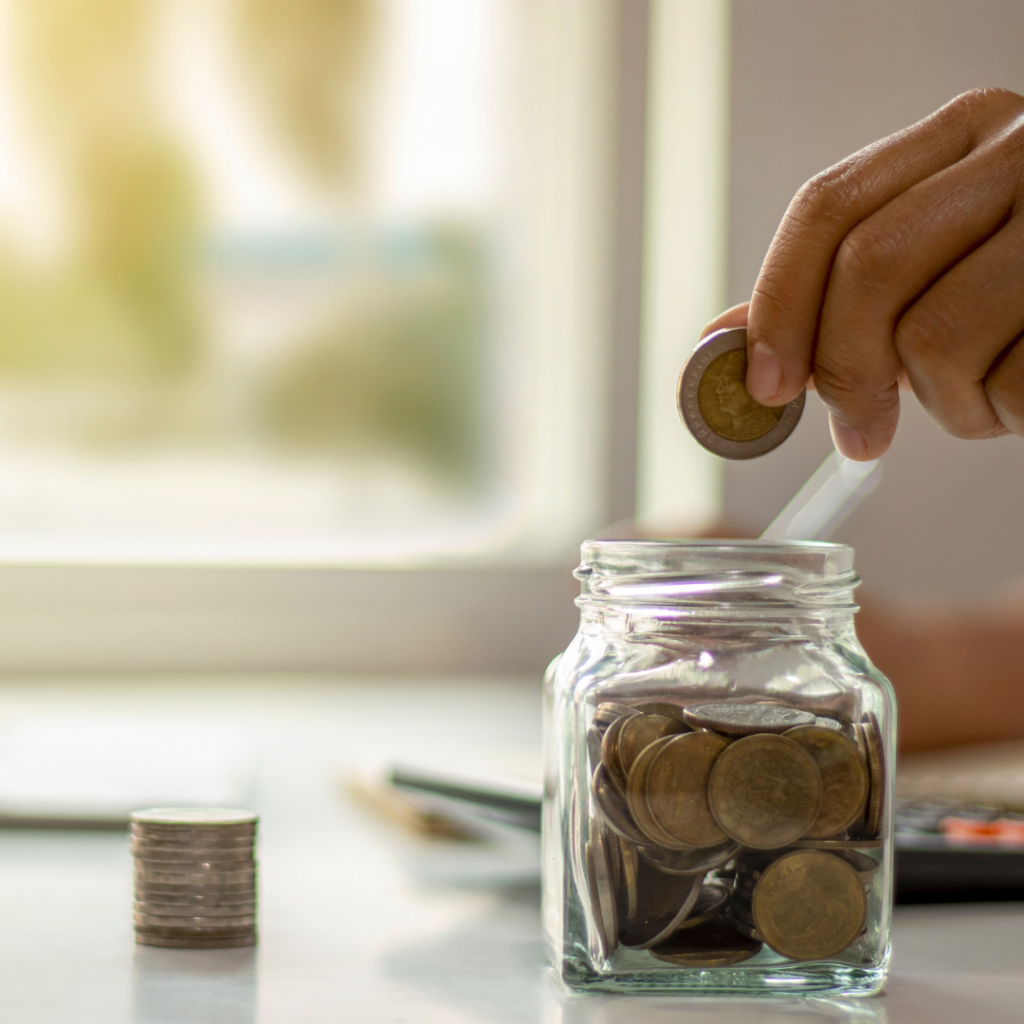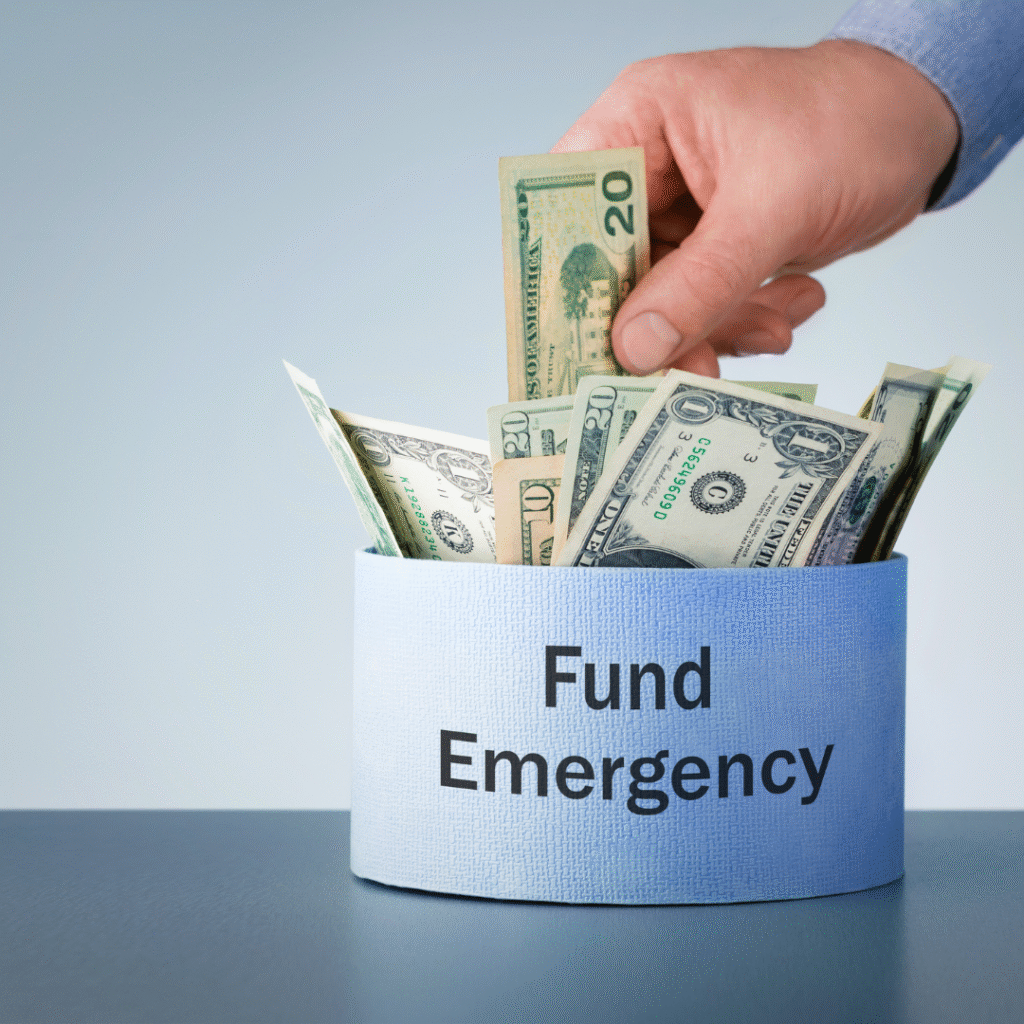
Building an emergency fund is a crucial step toward achieving financial security and peace of mind. An emergency fund should typically cover three to six months’ worth of living expenses, providing a financial cushion during unexpected situations like job loss or medical emergencies. With this safety net in place, individuals can navigate life’s uncertainties with greater confidence and less stress.
Establishing an emergency fund takes careful planning and discipline, but the benefits are substantial. It allows people to respond to emergencies without resorting to high-interest loans or credit cards, which can lead to further financial strain. Understanding how to prioritize savings can make all the difference in preparing for unforeseen events.
In addition to safeguarding against emergencies, an emergency fund can enhance overall financial well-being. It fosters a sense of stability and control over one’s finances, enabling individuals to focus on their long-term goals and aspirations without the looming fear of unexpected expenses.
What Is an Emergency Fund?
An emergency fund is a crucial component of personal finance that provides financial security in unexpected situations. Understanding its definition, purpose, and benefits can highlight its importance in achieving peace of mind.
Definition and Purpose
An emergency fund is a dedicated savings account designed to cover unforeseen expenses. These can include medical emergencies, car repairs, or sudden job loss. The primary purpose is to offer financial stability during challenging situations without resorting to debt.
Building an emergency fund typically involves setting aside three to six months’ worth of living expenses. This threshold helps ensure that individuals can manage everyday costs while navigating unexpected events. By keeping these savings separate, it reduces the temptation to dip into funds for non-emergencies.
Difference Between Emergency Fund and Rainy-Day Fund
Emergency funds and rainy-day funds serve distinct purposes within personal finance. An emergency fund addresses urgent, unforeseen challenges. In contrast, a rainy-day fund covers less critical expenses, like planned home repairs or travel costs.
While both types of savings provide security, their sizes and intended use differ. Generally, emergency funds require a larger balance due to emergencies’ unpredictable nature. Rainy-day funds can be smaller, as they focus on anticipated expenses.
Benefits of Having an Emergency Fund
Having an emergency fund significantly enhances financial security. It provides peace of mind knowing funds are available for unexpected challenges. This preparation allows individuals to make informed decisions rather than rushed ones driven by financial stress.
Additionally, an emergency fund can prevent the need for high-interest loans or credit card debt when unplanned expenses arise. This buffer also promotes healthier financial habits, encouraging individuals to save consistently. The availability of savings means that they can weather financial storms with resilience.
How Much Should You Save?
Determining the right amount to save in an emergency fund involves calculations based on individual circumstances and financial goals. It requires a thorough assessment of living expenses, budget, and personal priorities.
Calculating Your Ideal Emergency Fund Size
A common guideline is to save three to six months’ worth of living expenses. To calculate this:
- Identify Monthly Expenses: List all essential expenses, including rent or mortgage, utilities, groceries, transportation, and insurance.
- Total Expenses: Sum the monthly figures.
- Multiply: Depending on individual comfort, multiply by three to six.
For instance, if monthly expenses total $3,000, the ideal emergency fund should range from $9,000 to $18,000. This provides a sufficient financial cushion during unexpected events.
Factors Affecting Emergency Fund Amount
Several factors influence the necessary size of an emergency fund:
- Income Stability: Individuals with unstable income may need a larger fund.
- Dependents: Those with children or others relying on them might require more savings.
- Debt Levels: Higher debt obligations could necessitate a larger buffer to cover payments during a crisis.
- Health Costs: Individuals with potential medical expenses may wish to save more.
Evaluating these factors ensures a tailored approach to the emergency fund, aligning it with specific circumstances and risks.
Choosing the Right Savings Goals
Setting clear savings goals is essential. They should align with financial objectives and individual circumstances. Here are steps to consider:
- Establish Priorities: Determine what emergencies to prepare for, such as job loss, medical emergencies, or home repairs.
- Create a Savings Plan: Allocate a specific amount monthly to reach the target fund size. For example, if the goal is $12,000, contributing $1,000 monthly will achieve this in a year.
- Regularly Review: Periodically reassess needs and adjust goals as financial situations change.
Establishing systematic savings habits will facilitate reaching emergency fund targets efficiently.
Homeowners often find that their savings goals change when they face unexpected maintenance issues. A leaking pipe or a broken water heater can quickly drain a small account if you are not ready. It is smart to research local service providers before these problems occur. You can find a reliable local plumber in Jasper Georgia to keep on hand for such situations. This preparation helps you have a plan in place when your home needs urgent work. It also allows you to focus on other financial goals without worrying about who to call during a leak.
The same logic applies to residents in other parts of the country who face different seasonal challenges. For instance, homeowners in Colorado often deal with frozen pipes or heating failures during the cold winter months. Having the contact details of trusted plumbers in loveland before these issues arise saves both time and money. This proactive step prevents panic when water starts pooling in a basement or crawlspace. It also helps you avoid paying premium rates for last-minute emergency service calls.
Water issues are not limited to freezing temperatures or indoor pipe leaks. Heavy rain and storms can quickly overwhelm outdoor pipes and cause major flooding on your property. Debris often builds up in these systems and causes severe Blocked Drains that stop water from flowing away. Clearing these blockages requires specialized tools that standard plungers cannot match. Having a local drainage expert on hand helps you resolve these issues before they cause permanent damage to your home.
Heating systems in the United Kingdom also require regular attention to prevent sudden breakdowns during cold spells. A sudden breakdown often leads to an expensive emergency boiler repair bill that can disrupt a household budget. Homeowners who do not plan for these situations may find themselves without heating when they need it most. Setting aside a small portion of your monthly savings specifically for heating maintenance helps prevent these sudden costs. This simple habit keeps your home warm and protects your main savings account from unexpected drain.
Best Strategies for Building an Emergency Fund
To effectively build an emergency fund, one must focus on budgeting, automating savings, choosing the right accounts, and wisely utilizing unexpected financial gains. Each of these strategies plays a crucial role in establishing a solid financial safety net.
Creating a Budget and Identifying Extra Income
Establishing a clear budget is the first step in building an emergency fund. It involves tracking monthly expenses and identifying areas for potential savings. By categorizing expenses into fixed and variable costs, one can see where adjustments can be made.
Next, identifying extra income sources is essential. This may include freelance work, part-time jobs, or monetizing hobbies. It’s important to allocate a percentage of this extra income directly to the emergency fund, thereby accelerating growth.
Regularly reviewing the budget ensures it remains realistic and achievable. By adjusting spending habits and redirecting funds, one can gradually build a substantial reserve.
Setting Up Automatic Transfers
Automating savings is a fundamental strategy for consistent progress. Setting up automatic transfers from a checking account to a savings account minimizes the temptation to spend.
He or she should determine a fixed amount to transfer after each paycheck. This amount can be a percentage of income or a specific dollar amount. Establishing this automated process ensures that savings grow without extra effort.
Regularly reviewing these transfers is crucial. As income increases or expenses change, adjusting the transfer amount helps to continually meet savings goals.
Choosing a High-Yield Savings Account
A high-yield savings account offers better interest rates compared to traditional savings accounts. This means that money will grow faster, which is essential for emergency funds.
When selecting a high-yield account, one should consider factors such as fees, accessibility, and the institution’s reputation. Many online banks offer competitive rates with fewer fees, making them attractive options.
It’s essential to ensure the account is federally insured. This protects the funds in case of bank failure. By choosing the right account, he or she can maximize the potential growth of their savings.
Making the Most of Windfalls and Refunds
Windfalls, such as tax refunds or bonuses, can significantly boost an emergency fund. Instead of treating these as extra spending money, he or she should prioritize funneling a large portion into the savings account.
Developing a plan for any unexpected income is key. For example, allocating a specific percentage towards the emergency fund can greatly accelerate savings.
Additionally, considering small, consistent contributions over time can also have a major impact. Utilizing these windfalls wisely enhances the overall financial safety net built for emergencies.
When and How to Use Your Emergency Fund
An emergency fund acts as a financial safety net, offering individuals a reliable resource during unexpected challenges. Knowing when and how to access these funds effectively is crucial for maintaining financial stability.
Covering Unexpected Expenses
Unexpected expenses can arise at any moment, making an emergency fund essential. Individuals should use their funds for significant, unforeseen costs that cannot be covered through regular income. Examples include job loss, unexpected medical expenses, and urgent car repairs.
To manage these expenses, one should first assess the financial situation. Identify the nature and urgency of the expense. If it’s critical—such as a broken vehicle necessary for commuting or unexpected medical bills—then accessing the emergency fund is justified.
Keep a record of what the funds are used for, which helps in planning and prevents overspending or misuse.
Examples of Financial Emergencies
Financial emergencies vary from person to person, depending on individual circumstances. Some common scenarios include:
- Job loss: A sudden job termination can strain finances, impacting daily expenses.
- Medical expenses: Accidents or sudden illnesses may lead to high medical bills.
- Home repairs: Unforeseen issues like roof leaks or plumbing failures require immediate attention.
- Car repairs: Essential transportation may necessitate urgent vehicle fixes.
In each instance, it’s important to use the emergency fund only when absolutely necessary. Assess whether other resources, such as insurance or savings, are available before tapping into the emergency fund.
Replenishing Your Fund After Use
After utilizing the emergency fund, it is vital to prioritize replenishment. Individuals should aim to rebuild their savings as soon as feasible. This ensures the fund is available for future emergencies.
To replenish the fund effectively, consider the following steps:
- Review Budget: Analyze monthly expenses and identify areas for reduction.
- Seek Additional Income: Explore part-time work or freelance opportunities to generate extra cash flow.
- Set Savings Goals: For example, if the fund was reduced by $1,000, aim to add at least $200 per month until it is restored.
Regular contributions can help maintain an adequate emergency fund, ensuring readiness for any future financial challenges.