Money Matters

How to Shop Smart for Designer Items Without Overspending

Shopping smart for designer items means focusing on quality, authenticity, and value rather than just brand names. He or she should look for trusted sellers, understand the product’s materials, and compare prices to avoid overpaying. Knowing how to identify genuine pieces versus counterfeits saves both money and disappointment. Researching the brand’s style details and checking

Investment

How to Grow Your Investment Portfolio Effectively for Long-Term Success

Growing an investment portfolio requires a consistent strategy and disciplined decision-making. Diversifying assets, regularly contributing funds, and reinvesting earnings are key actions to increase long-term portfolio value. Understanding one’s risk tolerance and setting clear financial goals guide the selection of appropriate investments. Staying informed about market trends and adjusting the portfolio as needed also play

Business

How to Build a Business with Long-Term Success in Mind: Strategies for Sustainable Growth and Resilience

Building a business with long-term success requires more than just quick wins or short-term gains. It involves creating a solid foundation based on consistent value, customer trust, and adaptability to changing markets. Sustainable growth comes from focusing on delivering quality, maintaining strong relationships, and planning strategically for the future. Entrepreneurs who prioritize their company’s reputation

Investment

How to Attract Investors to Your New Business: Proven Strategies for Success

Attracting investors to a new business is crucial for turning ideas into reality. Entrepreneurs must clearly demonstrate the potential for growth, profitability, and a solid business model. The key to attracting investors lies in presenting a compelling value proposition paired with thorough market research and a clear plan for using their funds effectively. Understanding the

Money Matters

How to Align Your Spending with Your Values for a Balanced Financial Life

Aligning spending with personal values starts by identifying what truly matters to someone. This means understanding core beliefs and priorities, then reflecting those in everyday financial decisions. The key is to consciously direct money toward causes, habits, and purchases that support one’s principles. Once values are clear, they act as a guide to evaluate current

Money Matters

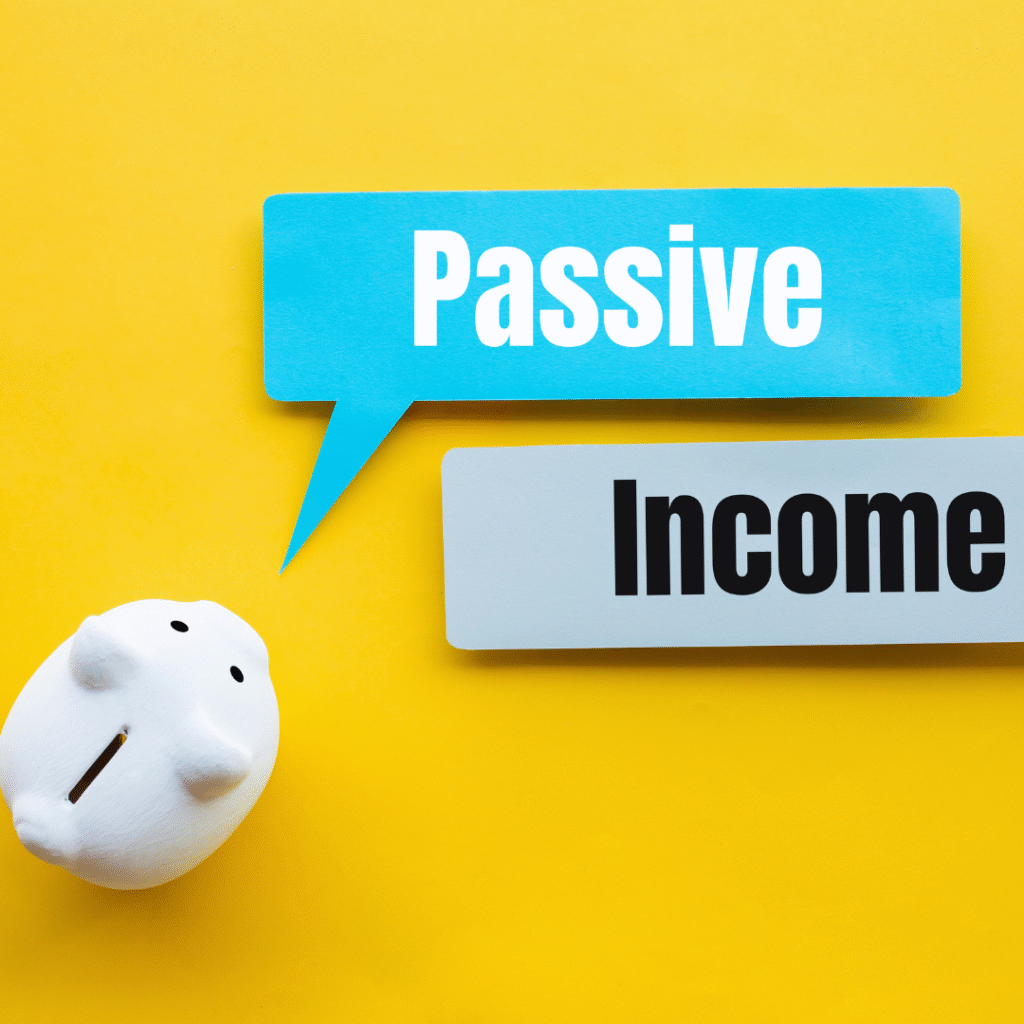
Best Passive Income Ideas to Boost Your Finances for a Secure Future

In the quest for financial stability, many individuals seek innovative ways to improve their income beyond traditional employment. Exploring various passive income ideas can provide essential strategies to boost financial health and create diverse income streams. Many opportunities exist, ranging from real estate investments to dividend stocks, enabling one to generate passive income with varying

Business, Money Matters

Business Loans vs Personal Loans: Key Differences and Best Uses

Navigating the world of financing can be challenging, particularly when deciding between business loans and personal loans. Business loans are tailored for enterprise needs, while personal loans are designed for individual expenses. Each option has distinct characteristics, advantages, and potential drawbacks, making it vital for borrowers to understand their unique requirements before choosing. For entrepreneurs

Money Matters

Common Budgeting Mistakes and How to Avoid Them for Financial Success

Many individuals struggle with budgeting, often leading to frustrations and financial setbacks. Recognizing common budgeting mistakes can significantly improve one’s financial management skills. From underestimating expenses to failing to track spending, these missteps can derail financial goals. Individuals frequently overlook the importance of setting realistic budgets that reflect their actual lifestyle and spending habits. This

Money Matters

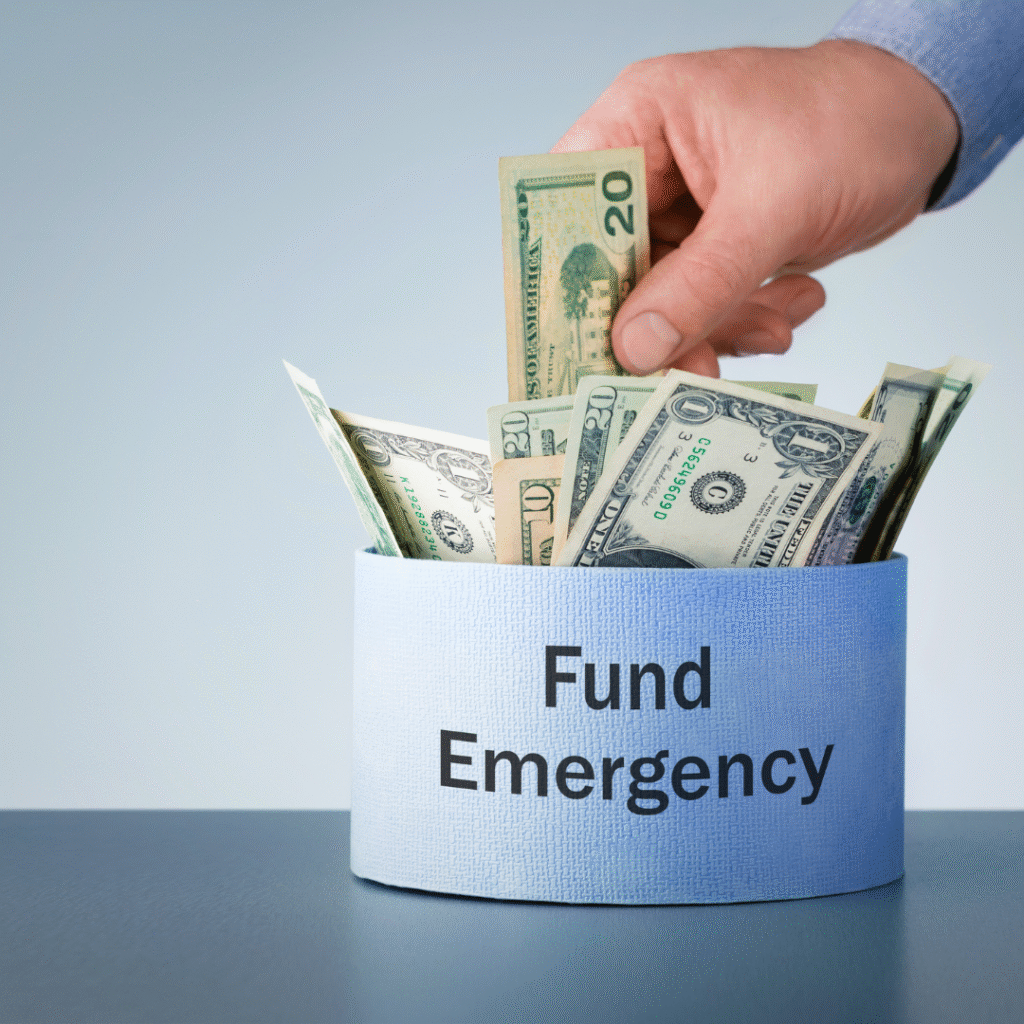
Emergency Fund Essentials: Key Steps to Financial Security

Building an emergency fund is a crucial step toward achieving financial security and peace of mind. An emergency fund should typically cover three to six months’ worth of living expenses, providing a financial cushion during unexpected situations like job loss or medical emergencies. With this safety net in place, individuals can navigate life’s uncertainties with

Scroll to Top